SafeAssign is Blackboard's text-matching plagiarism tool, and text matching is a fundamentally different technology from AI detection. It compares your submission against indexed sources and previously submitted papers, then reports overlapping passages with the source attached. It was built for copying, not for machine-written prose, and a passage generated fresh by a language model typically matches nothing at all because it is genuinely original text.
What SafeAssign actually does
It produces an originality report listing matched passages against three main pools: internet sources, a database of academic publications, and institutional archives of previously submitted student work. Every match comes with a link, so an instructor can inspect the claim rather than trusting a number. That inspectability is the defining property of matching tools and the reason they carry more evidential weight than AI detectors do.

- Copied from a website: matched, if indexed.
- Copied from another student's submission: matched, including across terms.
- Your own earlier submission: matched as self-plagiarism, which catches people out routinely.
- Generated fresh by ChatGPT or Claude: usually matches nothing, because the text is novel.
That third pool has a name, and an opt-in cross-institutional layer most students never hear about until their own work is already in it. We cover what it holds and how a paper ends up there in what the Global Reference Database is.
Why a plagiarism matcher cannot detect AI writing
The two technologies answer unrelated questions. Matching asks whether these exact words exist somewhere else, which is a lookup against an index and can be verified by clicking through. AI detection asks whether this prose behaves statistically like model output, which is an inference about writing style with no source to inspect and no receipt to produce.
A language model writing about photosynthesis produces sentences that have probably never existed in that exact sequence before. To a matcher, that is original work. Nothing in the design of a text-matching system gives it any purchase on the question of who or what composed the text, and adding one requires building a different product with different models.
What the statistical signals actually are, and why they misfire on some writers, is covered in how ChatGPT detectors work.
So what is your institution actually using?
If AI detection is happening in your course, it is almost certainly coming from somewhere other than SafeAssign. Blackboard institutions frequently run additional tools alongside it, and the AI indicator that appears on a submission usually belongs to one of those rather than to SafeAssign itself.
- Turnitin, which has a dedicated AI writing indicator and is the most widely deployed by a large margin.
- Standalone detectors such as GPTZero or Originality, run manually by an instructor on a suspicious submission.
- Copyleaks or similar services integrated at the institution level.
- An instructor's own judgement, which remains the most common trigger and the one no tool replaces.
The practical move is to ask rather than guess. Course policies and syllabus statements normally name the tools, and knowing which one scores your work tells you which score matters. A clean reading from a detector your institution does not use is reassuring to you and binding on nobody.
What about Edgenuity?
Edgenuity is courseware rather than an integrity product: a platform delivering lessons, assessments, and progress tracking, used heavily in secondary education and credit recovery. Plagiarism checking on written assignments is a feature within it, and the specifics vary by district configuration and by how a given course is set up.
Dedicated AI-writing detection is a separate capability, and whether it is present in any particular Edgenuity deployment is not something a review can tell you reliably. District configurations differ, features change between releases, and vendors do not always document detection capabilities publicly. If it matters to you, the answer lives with your school rather than in a blog post.
The more useful observation is that in K-12 contexts, teacher judgement does most of the detecting. Teachers know their students' writing. A submission that suddenly arrives with a different vocabulary range, a different sentence rhythm, and no trace of the mistakes that student normally makes gets noticed without any software involved.
What actually gives machine-assisted work away to a human reader is in how can teachers detect AI writing.
Two scores, two different problems
If you are worried about a submission, work out which problem you actually have, because the fixes are unrelated and applying the wrong one makes things worse.
- Similarity or originality problem: your text matches a source. The fix is citation, or genuine restatement from understanding. No rewriting tool substitutes for either, and using one to disguise uncited copying is the misconduct.
- AI writing problem: your original text reads statistically like model output. The fix is real structural variation and specificity that only you could supply.
Why students hit this question in the first place

The search almost always starts the same way. Someone submits through Blackboard, sees a percentage on the originality report, and cannot tell whether the number refers to copying or to AI. The interface does not always make the distinction obvious, and the two anxieties feel identical from the inside even though they have nothing to do with each other.
Sorting them takes one look. If the report lists passages with clickable sources attached, that is similarity, and every claim in it can be checked. If a number appears with no sources behind it and no passages to inspect, that is an AI indicator from some other tool, and it is an estimate about style rather than a finding about copying. Knowing which one you are looking at determines everything you do next, and getting it wrong sends people rewriting perfectly well-cited paragraphs while ignoring an actual uncited block.
If SafeAssign flagged you for similarity
Open the report rather than reacting to the percentage. Markers who use these tools regularly know that a high number is frequently innocent and a low number occasionally is not. A submission at 35% built entirely from correctly cited quotes and a standard methods section is normal academic work. A submission at 9% built from one uncited paragraph lifted verbatim is the case that actually goes somewhere.
- Read every matched passage and check whether it carries a citation. Cited overlap is scholarship, not misconduct.
- Watch for your own earlier draft appearing as a match at near 100%. Ask for the previous submission to be excluded.
- Look at match length. Many six-word matches are ordinary phrasing; one two-hundred-word match is a different conversation.
- If a passage is genuinely uncited, add the citation or close the source and rewrite the idea from understanding.
If the AI indicator is your problem
Look at the flagged passage honestly before reaching for any tool. Are the sentences all roughly the same length? Does every paragraph open with the same structural move, a transition followed by a claim? Is there anything in it that only you could have written, a specific example from your class, a number from your own work, an opinion stated plainly?
Uniform rhythm plus zero specificity is what produces high AI scores, and it is separately what makes writing forgettable. Fixing it improves the work independent of any detector, which is the part worth internalising. The detector is measuring a real property rather than performing a trick.
Where a rewrite is warranted, use a tool that changes structure rather than vocabulary. Our free AI humanizer rebuilds sentence boundaries and length distribution, which is what the score responds to.
Then verify before submitting with a free AI detector. Thirty seconds, and it replaces guessing with a number.
Frequently asked questions
Does SafeAssign detect ChatGPT?
Not through its matching mechanism. Generated text is usually original and matches nothing in the index. If an AI score appeared on your submission, it came from a different tool running alongside SafeAssign.
Does SafeAssign have an AI detector?
SafeAssign is a text-matching originality service. Blackboard institutions commonly deploy separate tools for AI writing detection, so check your course policy for what is actually in use.
Is SafeAssign as good as Turnitin?
For text matching they are comparable in kind, though index coverage differs. Turnitin additionally ships a dedicated AI writing indicator, which is the main practical difference for anyone asking this question in 2026.
Does Edgenuity detect AI writing?
It is courseware with plagiarism checking rather than a dedicated AI detection product, and capabilities vary by district configuration. Ask your school rather than relying on any general answer, including this one.
Can SafeAssign detect paraphrased text?
To a degree. Matching tolerates some word substitution and reordering, so light paraphrasing of an indexed source often matches anyway, sometimes against the very source you were rewording.
What should I do if SafeAssign flags my work?
Open the originality report and read the matched passages. Cited overlap is not misconduct. If a passage is uncited, add the citation or rewrite it from your own understanding with the source closed.
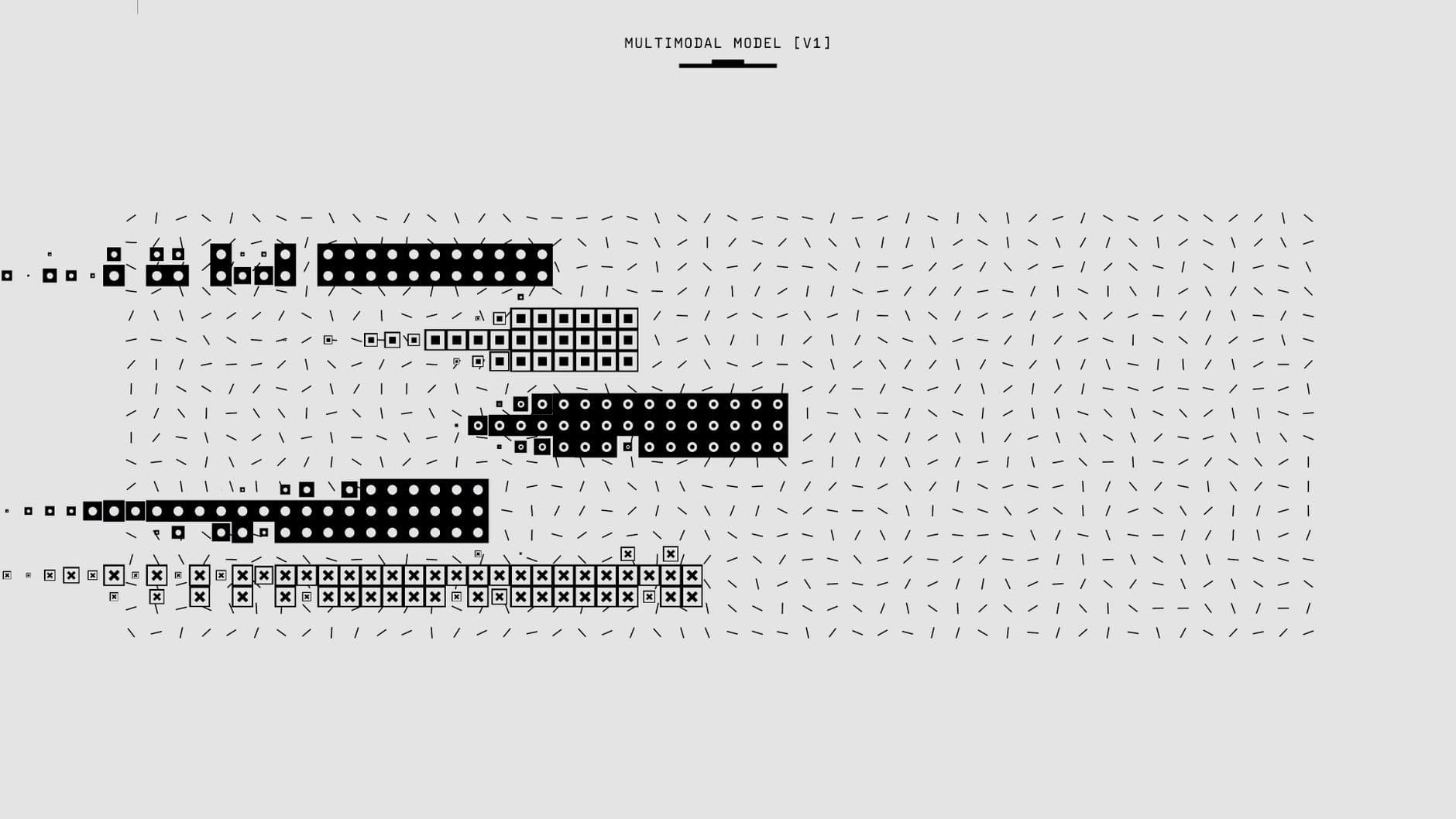
How this was made: this post predates this site's "How this was made" disclosure convention, which was added 2026-08-16. Drafting was AI-assisted with human editing. This paragraph and the diagram above were added during a 2026-09-13 accuracy pass; the diagram restates points the post already made, and no claim in this post was re-verified beyond what is stated above.