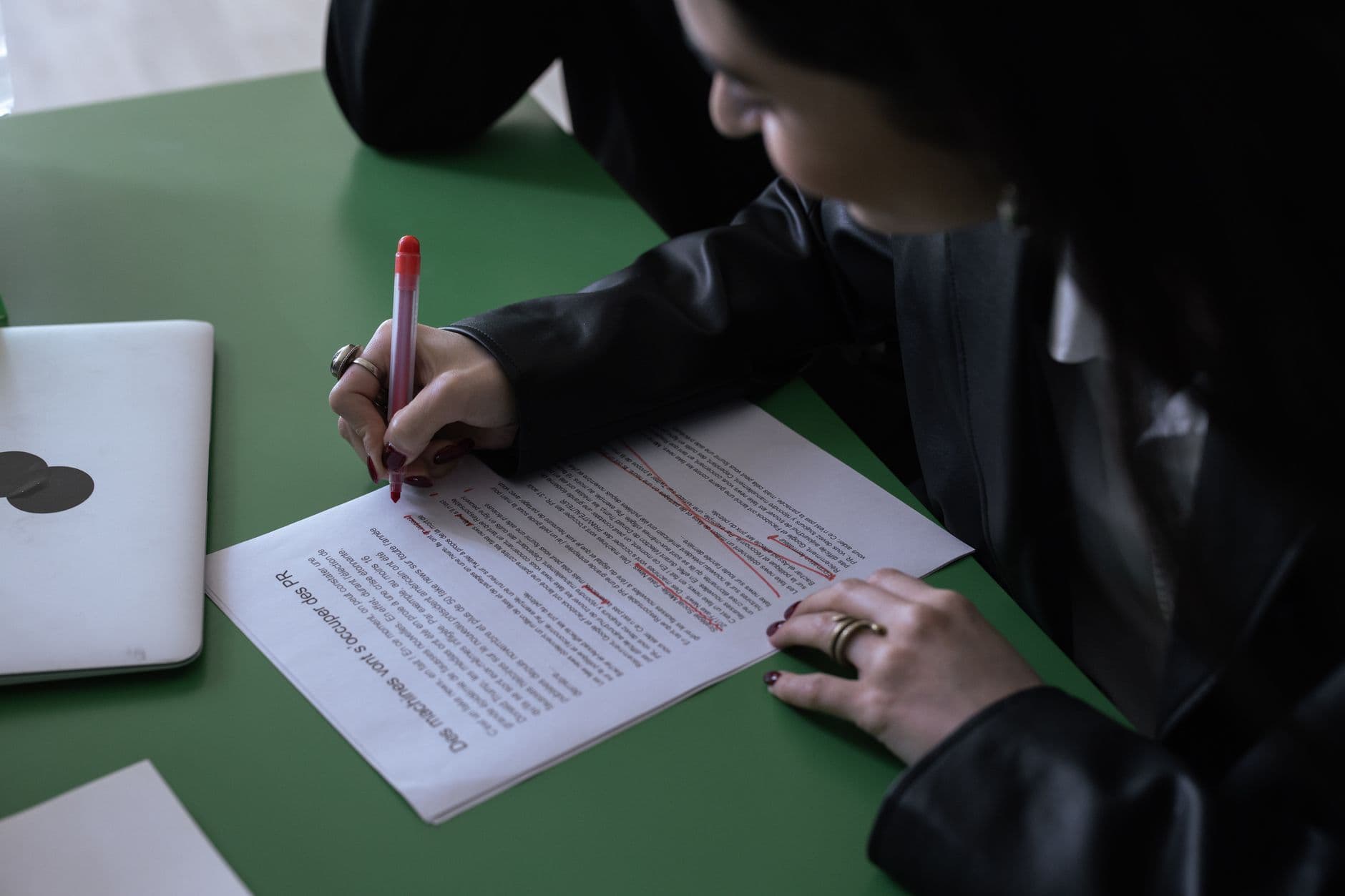
Does Turnitin detect QuillBot? In 2026, often yes. Turnitin has specifically targeted paraphrased AI text for years now, and standard QuillBot output sits in the exact statistical band it was trained to catch. That is the short answer. The longer answer is more useful: QuillBot is genuinely good at some jobs and structurally wrong for others, and most students are using it for the wrong one.
What QuillBot actually does to your text
QuillBot is a paraphraser. It takes your sentence and re-renders it: synonyms substituted, clauses reordered, sometimes tone shifted by mode. What it deliberately preserves is your sentence-by-sentence structure and idea order. That preservation is the whole problem for detection. The machine-smooth rhythm of an AI draft survives paraphrase almost untouched, because paraphrase changes words, not statistics.

Why Turnitin catches QuillBot more every year
- Turnitin trained on paraphrased AI text specifically. Spun ChatGPT output is not a blind spot; it is a labeled category in their training data.
- Paraphrase keeps chunk-level predictability high. Turnitin scores 5-to-10-sentence chunks, and synonym swaps do not change what those chunks look like statistically.
- QuillBot's rewrites have their own tells. Certain unnatural word substitutions, the classic 'crucial' becoming 'pivotal' chain, read as machine-processed to detectors and to humans.
This is the same mechanism covered in why AI humanizers don't work (sometimes): tools that change words without changing rhythm lose to modern detectors.
What QuillBot is still genuinely good for
None of this makes QuillBot useless. It is a strong tool for the jobs paraphrase is actually for:
- Rewording your own clunky sentence when you know what you mean but wrote it badly.
- Exploring alternative phrasings while summarizing a source you have read, before citing it properly.
- Grammar and fluency cleanup for non-native English writers, alongside its checker.
The pattern: QuillBot helps when the thinking is yours and the words need work. It fails when the words are a machine's and you need them to read as yours. Those are different problems, and the second one is not a paraphrase problem.
QuillBot vs a purpose-built AI humanizer

A dedicated humanizer attacks the statistics instead of the vocabulary: sentence boundaries move, lengths vary, uniform rhythm breaks up. That is the property detectors measure, which is why the two tool categories produce such different Turnitin outcomes on AI-origin text.
- QuillBot on an AI draft: words change, rhythm stays, flag risk stays high.
A quality AI humanizer on the same draft: rhythm rebuilt, flag risk drops sharply.
Either way, verify the result in a free AI detector before anything is submitted. Detection moved last month and will move again.
From the field: a student ran the same ChatGPT paragraph through QuillBot twice, thinking a double spin would be safer. The detector score went up. Stacked paraphrase makes text weirder, not more human, because each pass drifts further from natural word choice while keeping the mechanical rhythm. Depth beats repetition.
The workflow if you used AI in a graded draft
- Humanize for rhythm first, with a tool built for detection, not paraphrase.
- Edit for voice second: your examples, your course's terminology, one honest opinion.
- Verify third, and rewrite whatever still flags.
- Keep version history throughout. Process evidence ends accusations that percentages start.
How to test QuillBot output before you rely on it
If you are going to use QuillBot on anything graded, spend ten minutes testing it on your actual material first.
- 1. Take one paragraph of the real draft, not sample text, and run it through the mode you plan to use.
- 2. Read the output against the original. Mark anything that changed meaning, mangled a term, or produced a phrase you would never say.
- 3. Score both versions in a detector. If the paraphrase did not move the score, more paraphrasing will not move it either.
- 4. Check any citation, name, or number that passed through. Paraphrasers treat these as ordinary words and garble them at the worst possible moments.
- 5. Decide based on what you saw, not on what a review said. Tool behavior changes; your own test is current.
Mistakes QuillBot users make on graded work
- Paraphrasing an entire AI essay and submitting it. This is the highest-risk pattern there is, because it layers one known tell on top of another.
- Spinning a source instead of citing it. Paraphrase without citation is plagiarism whether or not any detector fires, and structural similarity to the source can still flag.
- Passing the same text through multiple times, as in the story above. Repetition drifts meaning without changing rhythm.
- Ignoring meaning drift. QuillBot optimizes for fluent alternatives, not fidelity, and a graded argument can quietly flip in one clause.
- Treating paraphrase output as a final draft. At minimum it needs your read-through; usually it needs your rewrite.
Edge cases: citations, technical terms, and non-native writers
- Citations and names: paraphrasers rewrite author names, misplace years, and reword titles. Verify every reference after any pass.
- Technical vocabulary: precise terms have no acceptable synonyms, and modes that substitute aggressively will break them. Lock key terms or fix them by hand afterward.
- Non-native English: QuillBot's fluency cleanup is genuinely useful here, but leaning on it for whole paragraphs pushes prose toward the uniform smoothness detectors flag. Correct errors, keep your own constructions.
- Short texts: below roughly 300 words Turnitin often produces no AI score anyway, so paraphrasing a discussion post 'for safety' adds risk rather than removing it.
How instructors spot QuillBot work without any detector
Worth knowing: paraphrased submissions often get caught by a human before any software weighs in. The tells are consistent.
- Substitution chains that no person would write. When 'important factor' becomes 'pivotal element' and 'shows' becomes 'showcases' in the same paragraph, experienced graders recognize the pattern on sight.
- Vocabulary that outruns the student. A sudden jump in register from someone's forum posts and emails to their essay raises the question before the first score loads.
- Sentences that are fluent but slightly off. Paraphrase preserves grammar while bending idiom, and the result reads like a translation of English into English.
- Arguments that wobble. When word choice drifts, claims drift with it, and a grader who knows the source material notices the mismatch.
None of this requires Turnitin. It is ordinary reading by someone who grades hundreds of papers a term, which is why the real fix is text that is genuinely yours, not text that merely scores well.
Frequently asked questions
Can Turnitin detect QuillBot if I use Creative mode?
Creative mode restructures more aggressively than Standard, which lowers detection risk somewhat. It also changes meaning more often, so on graded work you trade one risk for another. Verify both the score and the accuracy.
Does QuillBot show up in the Turnitin similarity report?
Paraphrased source text can still match its source structurally, so yes, sloppy QuillBot paraphrase of a real source can flag for similarity and read as disguised plagiarism. Cite the source and paraphrase from understanding, not from the tool.
Is QuillBot Premium better against Turnitin?
Premium unlocks modes and longer inputs, not a different detection outcome. The paraphrase mechanism, and its statistical ceiling, is the same.
What should I use instead of QuillBot for AI-generated text?
A humanizer that rebuilds sentence structure, then your own editing pass. Our honest comparison for the Turnitin case: best AI humanizer for Turnitin.
Does Turnitin detect QuillBot's Summarizer output?
A summary is new text, so the similarity side rarely matches it. But if the source material was AI-written, or the summary reads machine-smooth, the AI side can still flag it. And summarizing a source without citing it is a plagiarism problem regardless of any score.
Is it safe to use QuillBot on my own human writing?
Light use, rewording a clunky sentence you wrote yourself, is the safest use there is. Heavy use across a full paper moves your natural, slightly uneven prose toward machine-average smoothness, which raises detection risk instead of lowering it.
How this was made: this post predates this site's "How this was made" disclosure convention, which was added 2026-08-16. Drafting was AI-assisted with human editing. This paragraph and the diagram above were added during a 2026-09-07 accuracy pass; the diagram restates points the post already made, and no claim in this post was re-verified beyond what is stated above.